Life exists out of equilibrium. It continuously converts high-energy resources—such as light or nutrients—into waste, using that energy to resist the relentless pull of entropy.
At the BoekhovenLab, we recognized that to create life, we must first master the use of energy to organize molecules. This insight gave rise to chemically fueled self-assembly.
The BoekhovenLab identified that if we want to make Life, we must first master using energy to organize molecules. So, chemically fueled self-assembly was born.
We pioneered the regulation of molecular self-assembly by chemical fuels, mirroring how biology relies on ATP and related molecules. Our work introduced the widely adopted carbodiimide-fueled reaction cycle, now used by scientists worldwide (see a database here). We have discovered molecular architectures that exist only while consuming fuel, developed mechanisms by which compartments compete for energy, and created materials with entirely new properties.
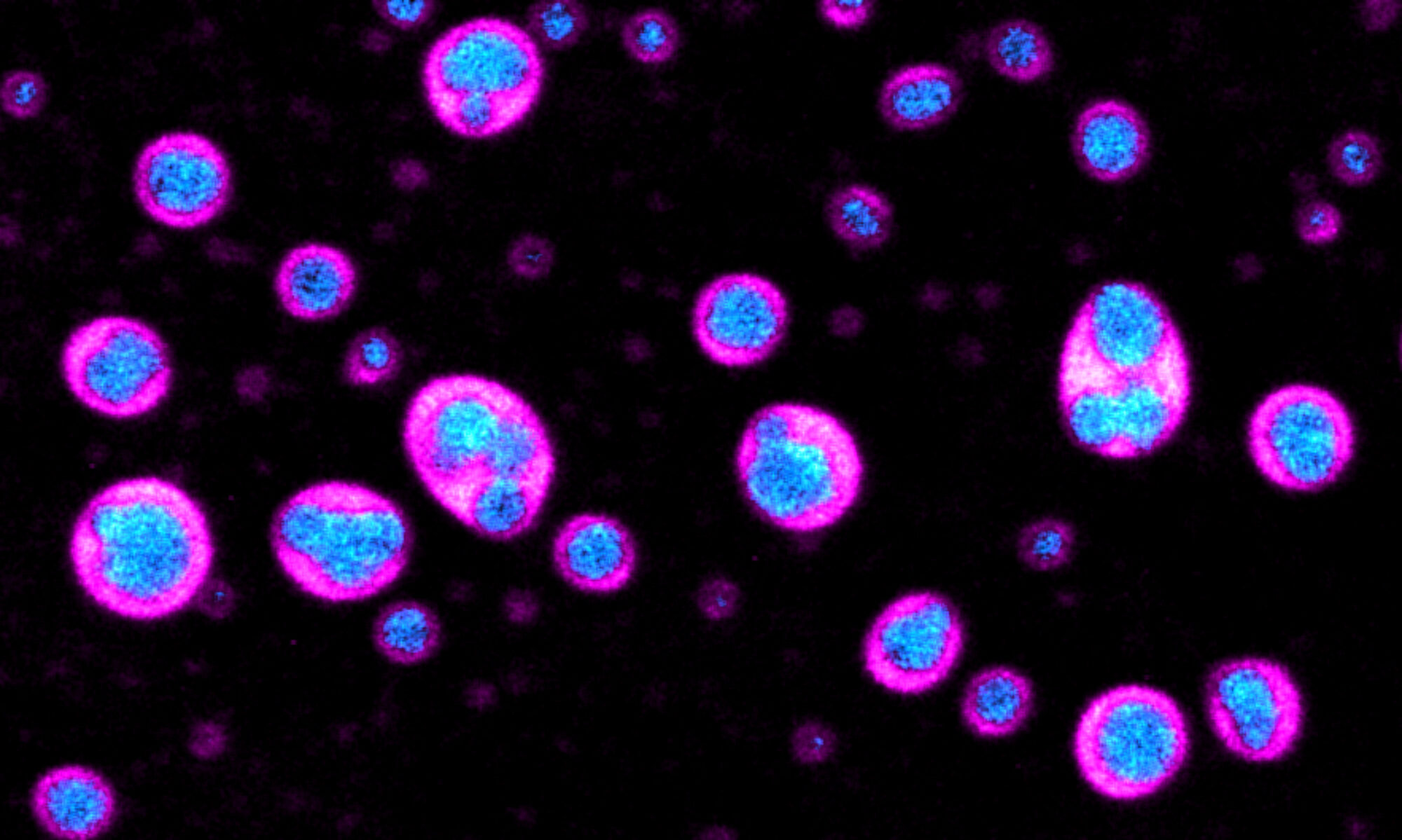
In another breakthrough, we realized that chemically fueled self-assembly coupled to compartmentalization leads to fuel-dependent synthetic cells. These droplets or vesicles, only a few micrometers in size, protect their internal chemistry from the environment, much like natural cells. Because they are powered by chemical energy, they only form when we feed them. They need to sustain themselves by producing their own building blocks and decay when deprived of fuel. In doing so, they begin to exhibit the defining hallmarks of life.
Read more here: